Ancient Currencies: Facilitators of Social Bonds
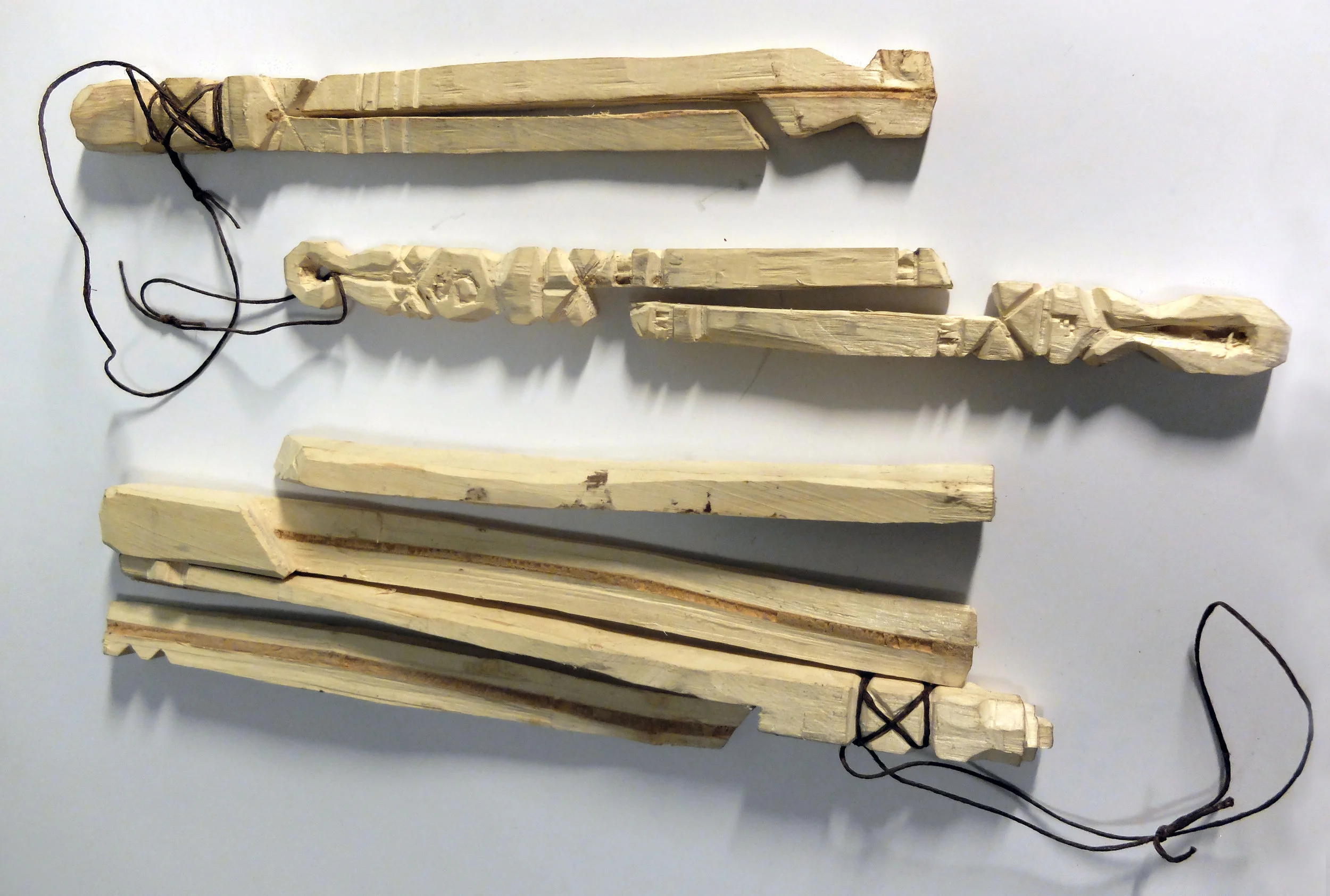
In my project Facilitator of Social Bonds, Unit of account, Medium of exchange and Store of value, I explore the history of money through the recreation of ancient currencies. This work stems from my master's thesis Land, Time & Justice, where I examine how we quantify value and distribute resources.
These objects are not merely means of payment; they are historical tools used to bridge time, space, and human trust:
Sumerian Clay Tokens: Thousands of years before the first coins, the Sumerians used small clay tokens to represent commodities like grain or livestock. These were the world's first accounting systems, transforming physical goods into abstract data.
Chinese Bronze Fish Money: Dating back to the Zhou Dynasty, these bronze "fish" served as a transitional form between practical objects and standardized currency. They represent a bridge between the tangible utility of a catch and the symbolic power of trade.
Venetian Murano Beads: Known as "Trade Beads," these glass masterpieces were produced in Venice and used for centuries as a global currency. They tell a complex story of craftsmanship, global exploration, and the colonial history of exchange.
By "counterfeiting" or recreating these historical currencies, I investigate the shift from social debt to abstract, impersonal capital. Each piece is a sculpture study of how we have chosen to materialize value throughout history.